Why Kids Should Earn Money Instead of Getting Allowance
Many parents give their children a weekly allowance with the best intentions. It seems like a simple and effective way to teach them about money, saving, and spending.
However, this approach can often create the opposite effect.
When children receive money without effort, they don’t fully understand its value. Over time, this can shape how they think about money in ways that are difficult to change later in life.
Why This Matters More Than Ever Today
In today’s world, money has become almost invisible. Payments are digital, contactless, and instant. Children rarely see physical cash, which makes it harder for them to understand what money really represents.
Without a clear connection between effort and reward, money becomes just a number on a screen.
That is why it is more important than ever to teach children how money is earned, not just how it is spent.
The Problem with Allowance
Allowance teaches children to expect money regularly, regardless of what they do.
Over time, this creates a mindset where money is seen as something automatic rather than something earned.
This can lead to:
Instead of learning responsibility, children may develop entitlement. They may begin to expect rewards without effort, which can carry into adulthood.
Why Earning Money Changes Everything
When children earn money, everything changes.
They begin to understand that money is directly connected to effort. This creates a much stronger emotional connection to what they receive.
Children who earn money tend to:
Earning transforms money from something abstract into something meaningful.
The Emotional Impact of Earning
One of the most powerful aspects of earning money is emotional.
When a child works towards something and achieves it, the reward feels different. It is not just money — it is recognition of effort.
This emotional connection reinforces learning in a way that passive allowance never can.
Building Real-Life Skills Early
Learning to earn money is not just about finances. It teaches life skills that go far beyond money itself.
These include:
These are the same skills children will need in school, work, and life.
The Psychology Behind Effort and Reward
Children naturally respond to reward systems.
When they complete a task and receive something in return, their brain builds a connection between effort and outcome.
This is how habits are formed.
If there is no effort, there is no learning.
Over time, repeated actions create patterns. If the pattern is “money comes without effort,” that becomes the belief system.
Allowance vs Earning: The Key Difference
Allowance:
Earning:
This difference may seem small, but it has a huge impact over time.
A Better System for Parents
Instead of giving money automatically, parents can create a simple system where:
This does not need to be complicated.
Simple routines like helping at home, completing responsibilities, or achieving small goals can be enough to create meaningful learning.
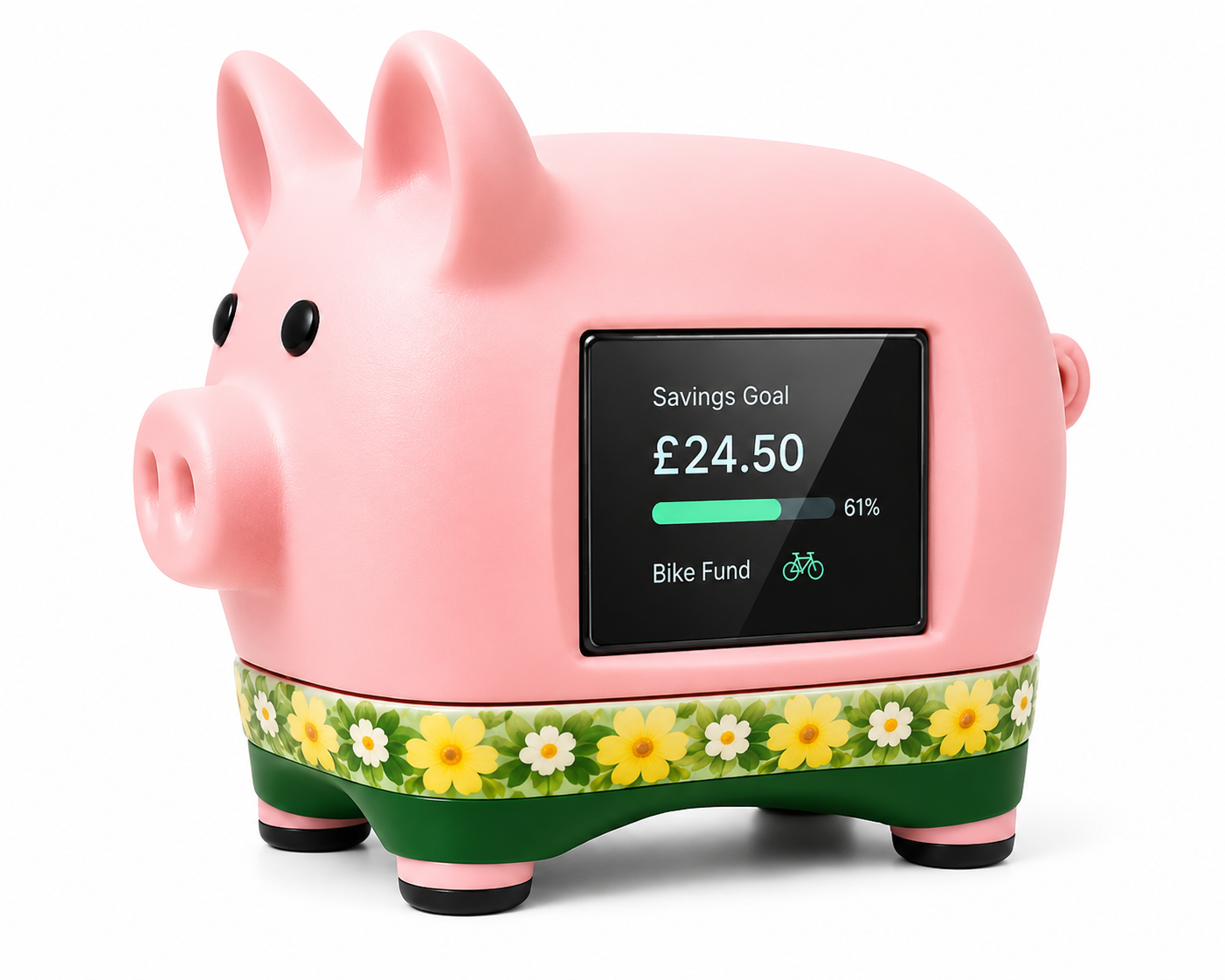
Making Money Tangible for Kids
Children learn best when they can see and feel progress.
Tracking earnings, setting goals, and seeing results helps them stay motivated.
When money becomes something they can interact with, understand, and control, the learning becomes much more powerful.
Common Mistakes Parents Should Avoid
Many parents unintentionally reduce the effectiveness of financial learning.
Some common mistakes include:
Avoiding these mistakes can significantly improve how children understand money.
Long-Term Impact
Children who learn to earn money grow up with a healthier relationship with it.
They understand effort, value, and responsibility.
This leads to:
These are the foundations of financial success.
Final Thoughts
Giving children money may seem helpful, but teaching them how to earn it is far more powerful.
When children understand that money comes from effort, they develop habits that will stay with them for life.
The goal is not to give more — it is to teach better.